








Creating a cozy and inviting home workspace is more important than ever. Whether you work remotely full-time or just need a dedicated spot to focus on projects, a well-designed workspace can improve your mood, boost your productivity, and make work feel less like a chore. The good news is, you don’t need to spend a fortune or have a large space to craft a comfortable and welcoming area. With a few thoughtful adjustments and ideas, you can create a home office that feels both functional and cozy.
Choose a Comfortable and Supportive Chair
Your chair is one of the most important elements of a workspace. Since you might spend hours sitting, prioritize comfort and ergonomic support.
– Look for adjustable height and lumbar support.
– Add a soft cushion or throw blanket for extra comfort.
– If space allows, include a small footrest to reduce strain.
Comfortable seating helps prevent back pain and encourages better posture, making workdays easier and more enjoyable.
Optimize Natural Lighting
Natural light has a positive effect on mood and energy levels. Position your desk near a window if possible to take advantage of daylight.
– Use sheer curtains or blinds to soften bright light without blocking it entirely.
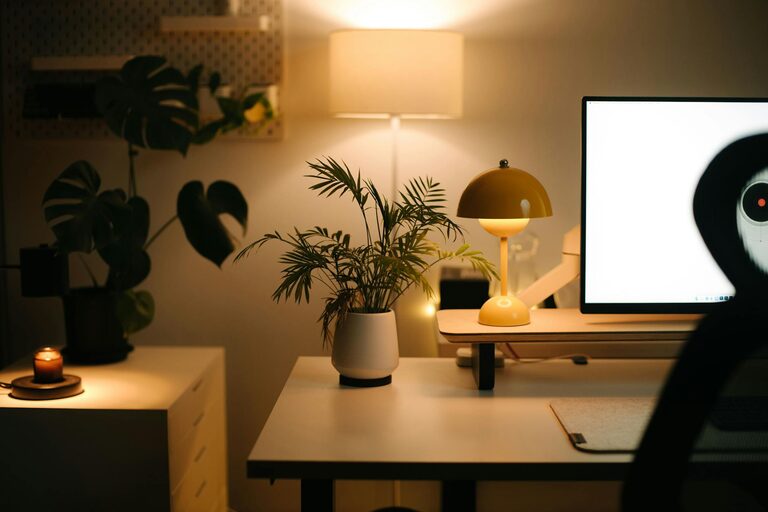
– If natural light is limited, invest in a desk lamp with adjustable brightness and color temperature.
– Avoid harsh overhead lighting; softer, layered lighting creates a welcoming atmosphere.
Good lighting reduces eye strain and keeps you alert throughout your work session.
Add Personal Touches
A workspace that reflects your personality can make the environment more inviting and inspire creativity.
– Display a few favorite photos, artwork, or motivational quotes.
– Incorporate plants for a touch of nature and fresh air.
– Use colors that make you feel calm or energized depending on your preference—such as soft blues or warm neutrals.
Keep decorations minimal so the area doesn’t feel cluttered but still feels uniquely yours.
Keep Your Desk Organized
Clutter can be distracting and stressful. Maintaining an organized desk supports focus and productivity.
– Use desk organizers, trays, or containers to corral supplies.
– Keep only essentials on your desktop and store other items nearby.
– Regularly clear away papers and tidy your space at the end of the day.
A clean workspace invites concentration and mental clarity.
Choose Functional Furniture and Storage
Maximize your space with furniture that fits your needs and keeps essentials within easy reach.
– Consider a desk with built-in shelves or drawers for additional storage.
– Use vertical storage like wall-mounted shelves to free up floor space.
– A bulletin board or whiteboard can help you track tasks or brainstorm ideas visibly.
Functional furniture helps reduce clutter and streamlines your work process.
Incorporate Cozy Textiles
Soft textures add warmth and comfort to your home office, making it a place you want to spend time.
– Use an area rug under your desk or chair for a soft, cushioned feel.
– Drape a knitted throw or small blanket over your chair.
– Choose curtains or cushions in fabrics that appeal to your senses.
Textiles contribute to a welcoming atmosphere that feels less sterile and more lived-in.
Control Noise Distractions
A calm environment supports focus, so consider methods to minimize noisy interruptions.
– Use noise-canceling headphones or listen to gentle background music.
– Add soft furnishings like rugs and curtains which help absorb sound.
– If possible, choose a workspace in a quiet area of your home.
Reducing noise helps create a peaceful workspace where concentration can thrive.
Maintain Good Air Quality and Temperature
Comfort includes the physical environment—make sure your workspace is well-ventilated and temperature controlled.
– Open windows regularly to let fresh air in.
– Use a small fan or portable heater to adjust temperature as needed.
– Consider an air purifier if your space tends to feel stuffy.
Good air quality keeps you alert and comfortable throughout the day.
Set Boundaries and Rituals
Creating an inviting workspace also involves setting mental boundaries to maintain work-life balance.
– Designate your workspace solely for work-related activities.
– Establish a morning routine to “start the day” when you enter your home office.
– End your workday by tidying your space, signaling that it’s time to relax.
These habits foster a sense of separation and help your workspace stay inviting and productive.
—
Creating a cozy and inviting home workspace doesn’t require a complete overhaul. By focusing on comfort, organization, and personalized touches, you can build an environment that supports your well-being and productivity. Start with small changes, experiment with what makes you most comfortable, and enjoy building your perfect work nook!