








Creating a cozy and inviting home workspace is essential for staying productive and comfortable while working from home. Whether you have a dedicated room or just a corner of your living space, thoughtful design and organization can transform your work area into a place you enjoy spending time. Here are some practical tips to help you design a workspace that feels both functional and welcoming.
1. Choose the Right Location
Consider Natural Light
Natural light can improve mood and reduce eye strain. Try to set up your workspace near a window if possible. Position your desk so the light comes from the side rather than directly in front or behind your computer screen to avoid glare.
Minimize Distractions
Find a quiet spot where you won’t be disturbed by household noise or foot traffic. If space is limited, consider ways to create a visual barrier like a bookshelf or room divider to help separate work from leisure areas.
2. Invest in Comfortable Furniture
Select an Ergonomic Chair
Your chair plays a crucial role in comfort and posture. Look for one with adjustable height, good lumbar support, and cushioning that suits your preferences. Sitting comfortably helps prevent back and neck pain during long work sessions.
Choose a Desk That Fits Your Needs
Pick a desk that suits your work style and space. If you use multiple monitors or like keeping physical paperwork nearby, opt for a larger surface. For smaller rooms, a compact desk with storage can maximize space efficiency.
3. Personalize Your Space
Add Soothing Colors
Colors influence mood and creativity. Soft blues, greens, or neutrals often create a calm environment, while pops of brighter colors can add energy. Use paint, wall art, or accessories to bring these colors into your workspace.
Decorate with Plants
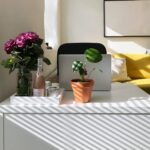
Indoor plants purify the air and add a touch of nature. Small potted plants or succulents are easy to care for and visually pleasing. Choose plants that thrive in your lighting conditions.
Include Personal Touches
Display a few personal items that make you happy, such as photos, inspirational quotes, or hobby-related items. These elements make the space uniquely yours without causing clutter.
4. Organize for Efficiency
Use Storage Solutions
Keep your desk tidy with organizers like trays, drawer units, or shelves. Decluttering reduces stress and helps you find things quickly. If you have papers, consider filing systems or digital scanning to keep physical copies minimal.
Manage Cables Neatly
Tangled wires can be distracting and unsafe. Use cable clips, sleeves, or under-desk trays to keep cords organized and out of sight.
Schedule Regular Cleanups
Set aside time weekly to tidy your workspace. Maintaining cleanliness encourages productivity and keeps the space inviting.
5. Optimize Lighting
Combine Task and Ambient Lighting
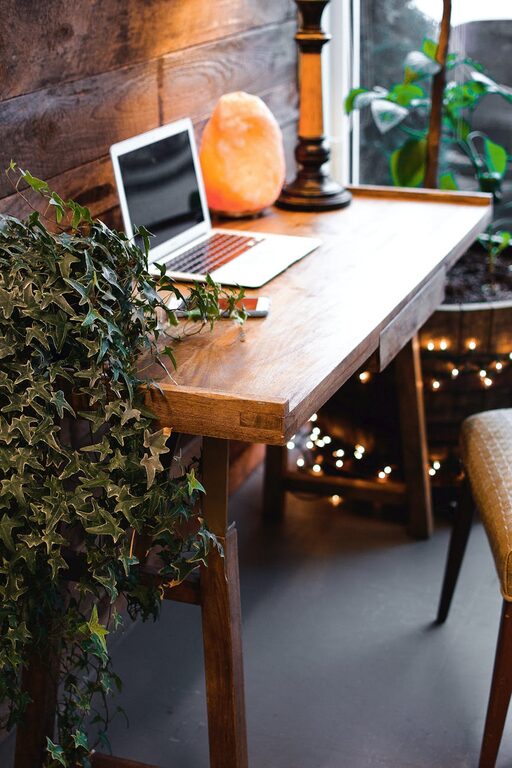
In addition to natural light, a good desk lamp helps reduce eye strain. Adjustable lamps with warm light are ideal for focus. Adding soft ambient lighting, such as floor lamps or string lights, can make the room feel cozy in the evening.
Avoid Harsh Overhead Lights
Bright fluorescent lighting can be tiring. Consider dimmer switches or replacing bulbs with softer alternatives.
6. Create a Comfortable Atmosphere
Control Temperature and Air Quality
Keep the room at a comfortable temperature and well-ventilated. A small fan or air purifier can improve air circulation, making the environment healthier and more pleasant.
Add Textiles
Soft rugs, cushions, or throws can add warmth and texture to your workspace. They make sitting for long periods more comfortable and visually soften the room.
Use Calming Scents
If you enjoy scents, consider a subtle diffuser with essential oils like lavender or eucalyptus. Aromatherapy can reduce stress and improve focus but avoid strong fragrances that may cause irritation.
7. Establish Boundaries Between Work and Home Life
Define Work Hours
Having set working hours helps create routine and balance. When work time is over, physically leaving your workspace can signal your brain to switch off.
Use Visual Cues
Close doors or pull down curtains to mark the end of the workday. Having a separate workspace also helps maintain this boundary.
—
Designing a cozy and inviting home workspace doesn’t have to be complicated or expensive. By focusing on comfort, personalization, organization, and proper lighting, you can build a productive environment that supports your well-being. Start small and gradually add elements that make you look forward to each workday in your home office.